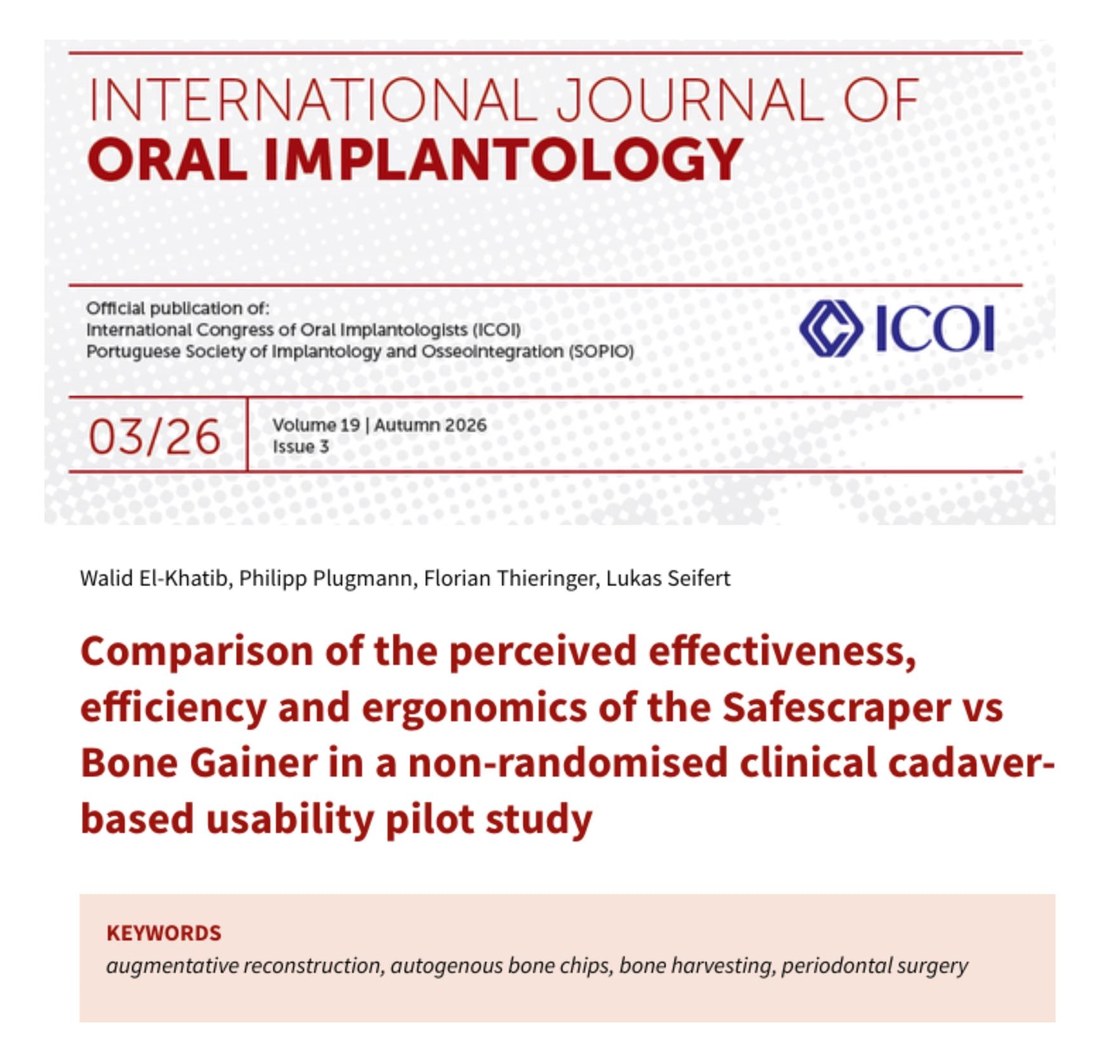
Non-randomized comparative usability pilot study (2025) assessing ergonomics, efficiency, effectiveness, and user satisfaction in comparison to an established reference instrument.
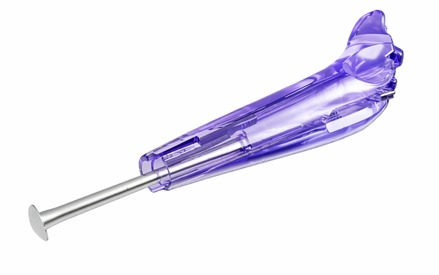
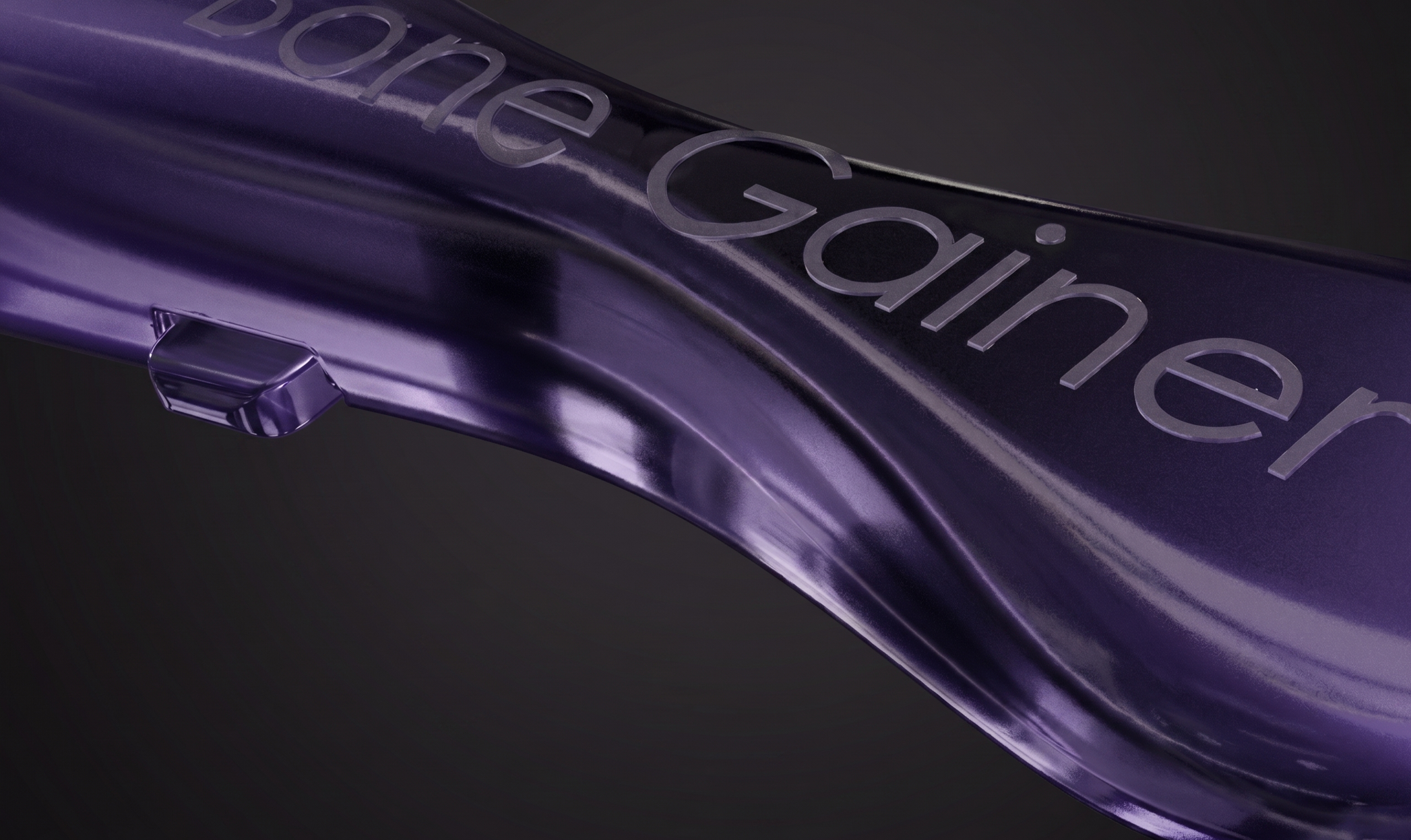
The study was conducted under standardized conditions to assess the usability and application characteristics of the BoneGainer.
The investigation was conducted as a non-randomized comparative usability pilot study. Its objective was to assess relevant application parameters in a direct comparison between BoneGainer® and an established reference instrument. The evaluation was based on standardized application scenarios and a structured questionnaire.
16 participants from the fields of oral surgery, dentistry, and OMFS training.
Standardized clinical simulation conducted on human cadaveric models.
Captured via a structured 25-item Likert scale (1–5).
Paired Wilcoxon test to examine the differences.
Comparison of the ratings between BoneGainer® and the reference instrument.
The BoneGainer achieved statistically significantly better ratings than the reference instrument in all main categories examined.
BoneGainer demonstrated significantly improved ergonomic performance, reducing operator fatigue and enabling more controlled surgical movements throughout the procedure.
The replaceable blade mechanism maintained consistent cutting behavior throughout procedures, eliminating the performance degradation seen with conventional instruments.
Increased user satisfaction was observed across all experience levels — from trainees to experienced oral surgeons — confirming broad clinical applicability.
Cohen effect size values of r = 0.82 – 0.86 confirm very large clinical relevance per established statistical classification, substantiating the practical significance of the findings.
The investigation was conducted as a non-randomized usability pilot study and served to assess usability and application characteristics under standardized conditions.
The results provide valuable insights into user experience and the handling of the instrument. Further investigations may provide additional insights into its application across different clinical scenarios.
View more videos and images
The results of the study show statistically significant improvements in several application parameters examined, compared to the reference instrument. The differences were particularly pronounced in the areas of ergonomics, workflow efficiency, and user satisfaction.
Get access to the complete study report including detailed methodology, statistical analysis, and a full presentation of the results.